The Architect Series with Reem Taha Hajj Ahmad
By Ikram Hirse
A reflective conversation with Reem on designing sacred space through memory, care, and intention and how architecture can hold joy, stillness, and belonging.

The Architect Series: Reem
Designing with Devotion: How Architect Reem Is Reimagining Sacred Space through memory, material, and mercy
In this edition of the Architect Series, we meet Reem, an Architect whose work moves between childhood memories, architectural care, and the gentle rigour of faith. Her practice is shaped by emotion as much as ethics, where a timber beam can carry spiritual intention, and a courtyard can become a vessel for communal belonging.
Reem is striving to achieve visually pleasing architecture with care and service at its core. Through natural palettes, intuitive wayfinding and intentional and accessible design, she is inviting us to rethink how sacred spaces feel, not just how they look.
On first forms and finding belonging
Reem’s earliest projects were not university projects or formal spaces, they were pretend play dens built with friends in Syria. Scraps of timber, fig and latania palm trees, and hours of street play formed the quiet blueprint for a life in design. “It was our primary form of play, a daily childhood ritual” she reflects. “Maths and art merged through imagination.”
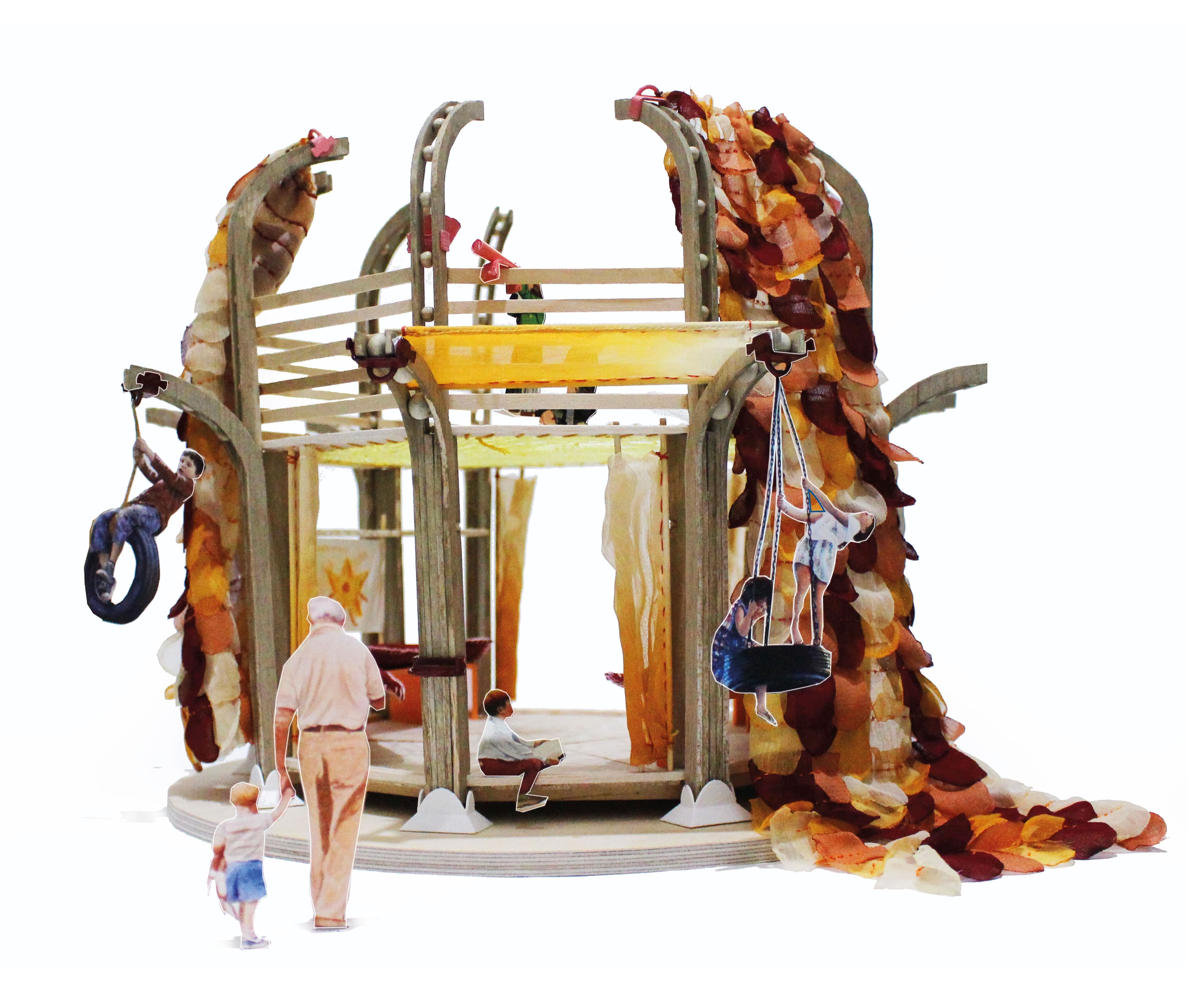
In her early teens, she moved to the UK. The quiet terraced streets felt starkly different. “I barely saw children outside. I remember asking, "Why don’t neighbours play together?” This absence sparked questions that would eventually shape her purpose: designing more inviting spaces to inclusively bring people together and to encourage organic safe street play in the city.
Her path into architecture was less about grand gestures, and more about piecing together those early fragments of joy, playful movement, and shared times to relay her wholesome childhood experience for future generations to come. Those childhood memories in Syria of her neighbourhood, her independent journeys to the local mosque or primary school and the small pit stops to buy snacks from the corner shops, were filled with childhood curiosity and delight. In Syria, “my local mosque felt like a sacred playground for a different type of play” she says. “We’d recite Qur’an together after Asr, sneak snacks, then run off to play in the street.”
These layered memories became the emotional blueprint of her design approach. Communal spaces including mosques need to be places of beauty and belonging, not separation or neglect.
Design as Service, Design as Du’a
Reem doesn’t just design with her mind; she designs with her heart and sometimes, with the Qur’an open in front of her. “When I feel stuck, I make wudu, open the Qur’an, and place my finger on an ayah. It becomes my starting point, like a holy prompt.”
Her creative rhythm is grounded in devotional practice. A walk in the forest, the rustle of wind through leaves, the serenity of dawn prayer. These are design prompts too. Her father once told her: “When you pray, the light of God shines in your heart and reflects in your mind.”
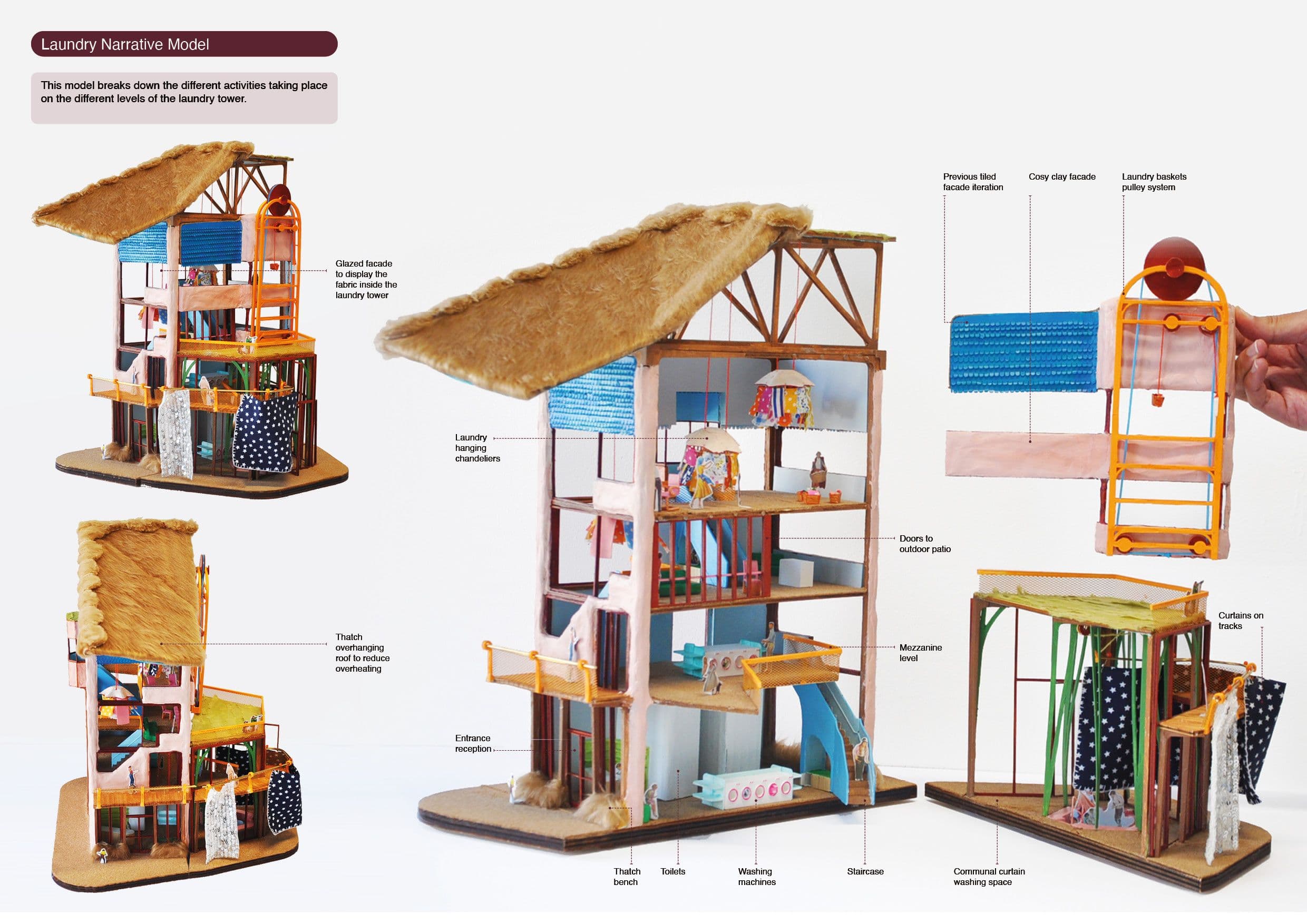
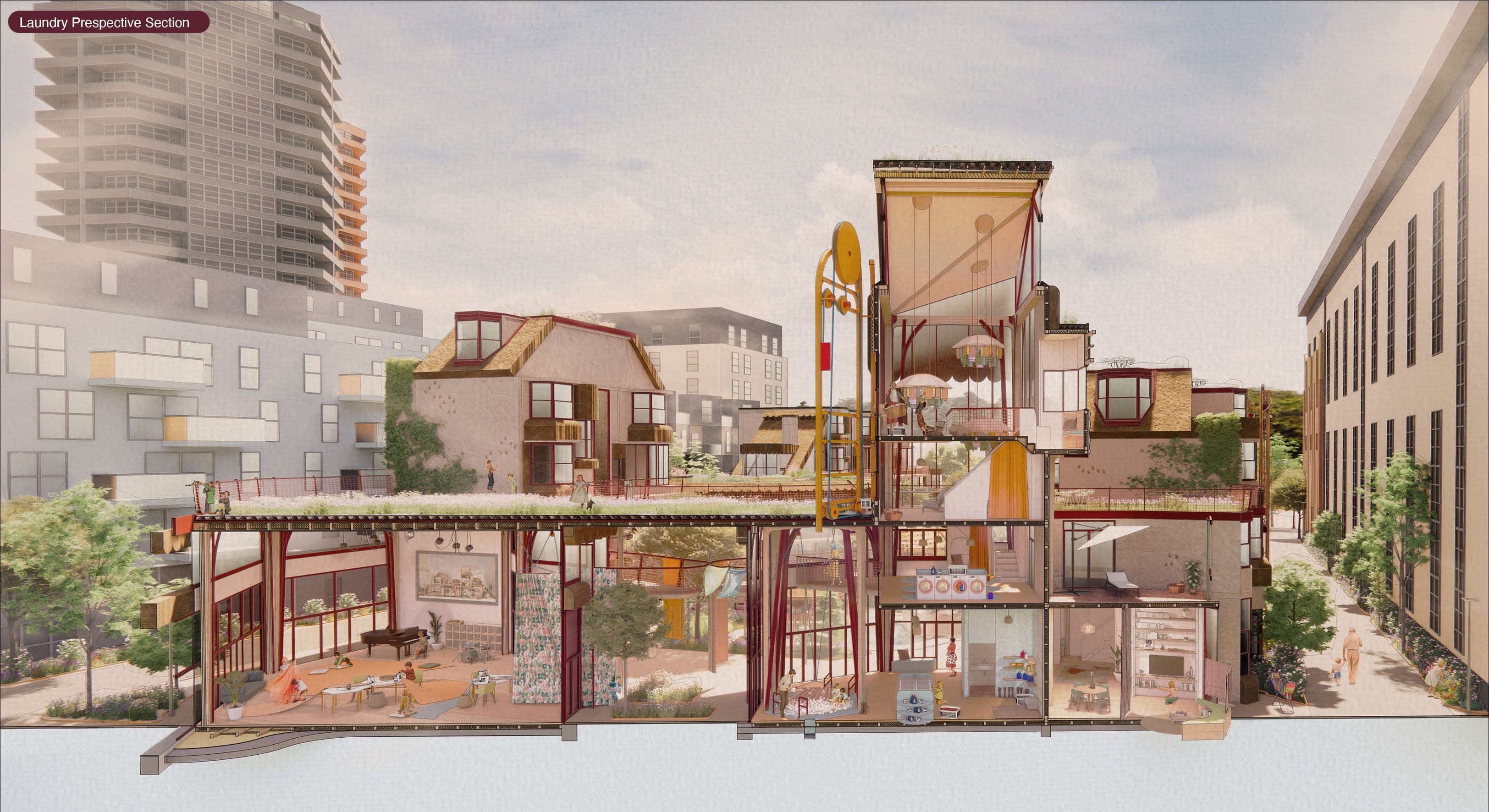
This heart-mind continuum animates every detail of her work. In one of her university projects, she proposed transforming a housing estate into an intergenerational community, where the structure is derived from the Victorian bay window to cherish heritage and to create openness, interaction, and watchfulness.
What she designs is rarely about form alone. It’s about providing a service and a positive experience. "What does this texture evoke and what environmental impact is it causing? How do people feel in this space and what good are they getting out of it?"
Mosques for All: Memory, mercy, and material
Reem hopes to help positively shape perceptions of muslim and communal spaces. To her, accessibility is sacred. So is sustainability, “smaller mosques can benefit from smart, adaptable design,” she explains. Think cleanable materials, no fixed carpets, good ventilation, intuitive flow.
She sees prayer spaces not only as quiet sanctuaries but as vessels of connection: “We should rethink mosques as more than rooms for prayer. Anywhere reasonable can be a mosque. So how do we design places that hold both serenity and joy?”
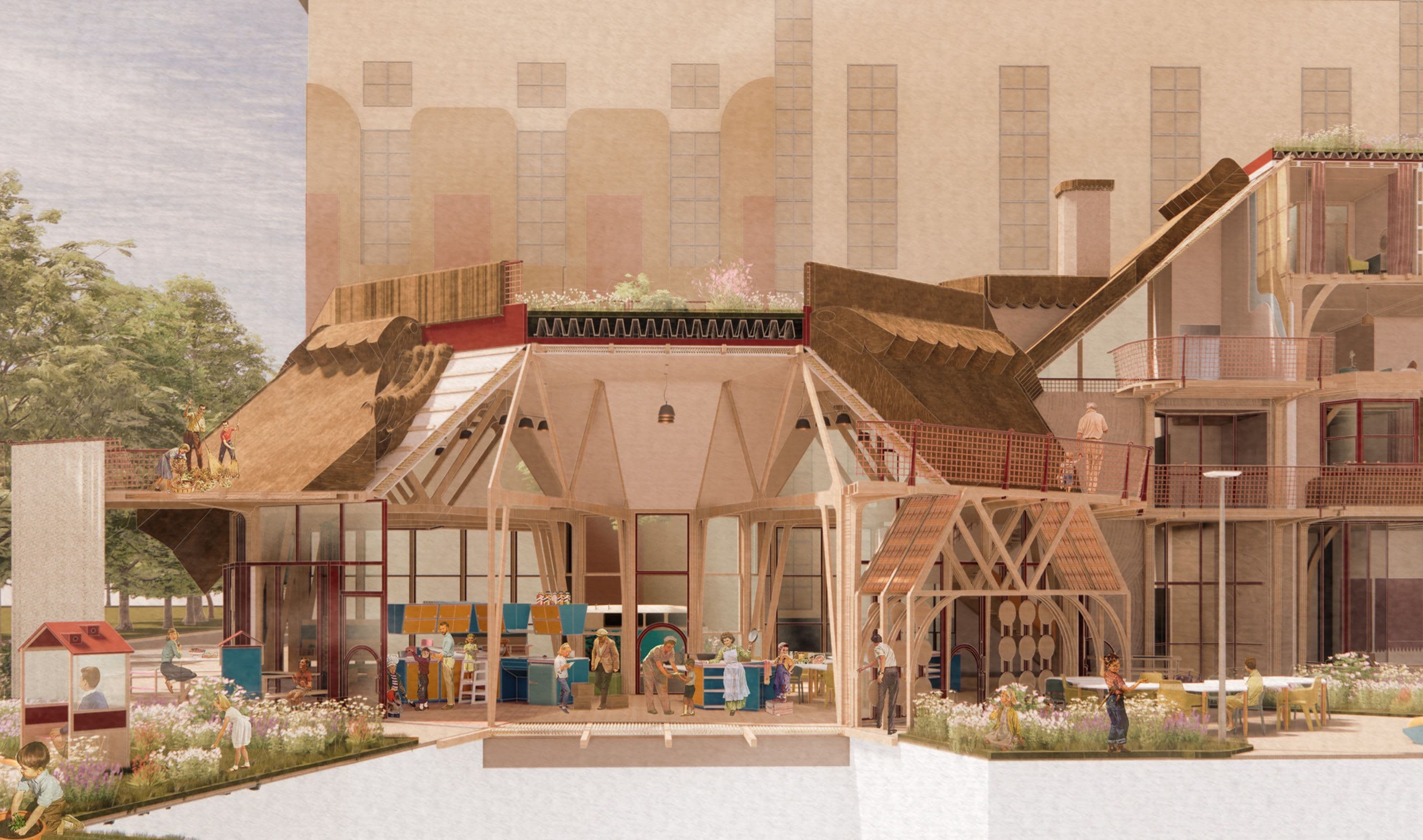
Her material choices are driven by connections to nature: thatch roofs, timber walls, earth textures. “Rammed earth and thatch remind me of cottages rooted in land, and so is timber. The raw softness of these materials is grounding and reminds us of our roots as humans.”
Design, in Reem’s world, is not just spatial, but it is spiritual. “I believe care starts with you,” she shares. “We shouldn’t push ourselves beyond our limits. My practice is not about perfection but about ihsan, doing things with excellence and sincerity.”
The ethic of renewal
Asked about the tension between heritage and innovation, Reem responds gently, “They aren’t separate.” For her, tradition is not a weight but a foundation. “Innovation is how we grow; heritage is what we grow from.”
She honours what came before by building on it - selectively, lovingly. A hadith that guides her: “Have mercy on those on earth and the One above will have mercy on you.” It is not a slogan but a compass.
This sense of compass is woven through every project, whether designing a foster community around shared meals or creating urban interventions that invite children back into public space.
The future is textured, tactile and tender
What does Reem hope her architecture carries?
“Hope. Inclusivity. The idea that even in a digital world, we can still design for togetherness.” She hopes to see more mosque spaces become more emotionally resonant, as spaces of recreation and reflection, where the Qur’an is recited in soft light, where elders feel seen, and where children feel welcome. “We need imagination in how we design for spirituality,” she says. “One might like to pray beneath a tree under the stars, hence courtyards can accommodate that. It’s all connected.” In the end, Reem leaves us with a line: “God is my favourite architect".
Editor’s Note
A Mosque Made of Memory
At Mimbar360, we often ask: What does it mean to carry the mosque within us?
Reem’s work reminds us that sacred space isn’t just built, it’s remembered, felt, and reimagined. Through childhood dens, courtyard thresholds, and timber textures that whisper of forests and prayer, she shows how architecture can hold memory as gently as it holds bodies. But her practice also asks deeper questions: Who is held in our mosques and who is left out?
In a time when many mosque spaces remain inaccessible, gendered, or disconnected from nature and everyday life, Reem’s designs, grounded in care, play, and quiet revolution, push us to rethink what sacredness looks like. Not as marble and grandeur alone, but as adaptability, equity, and emotional wayfinding.
We’re invited to see the mosque not only as a building, but as a place of exchange, between past and future, children and elders, prayer and play, stillness and sound. And maybe most radically: as a space where design itself becomes devotion.
About the Author
Ikram Hirse
Founder of Mimbar360
Ikram Hirse is a social entrepreneurship based in the UK.
Gallery