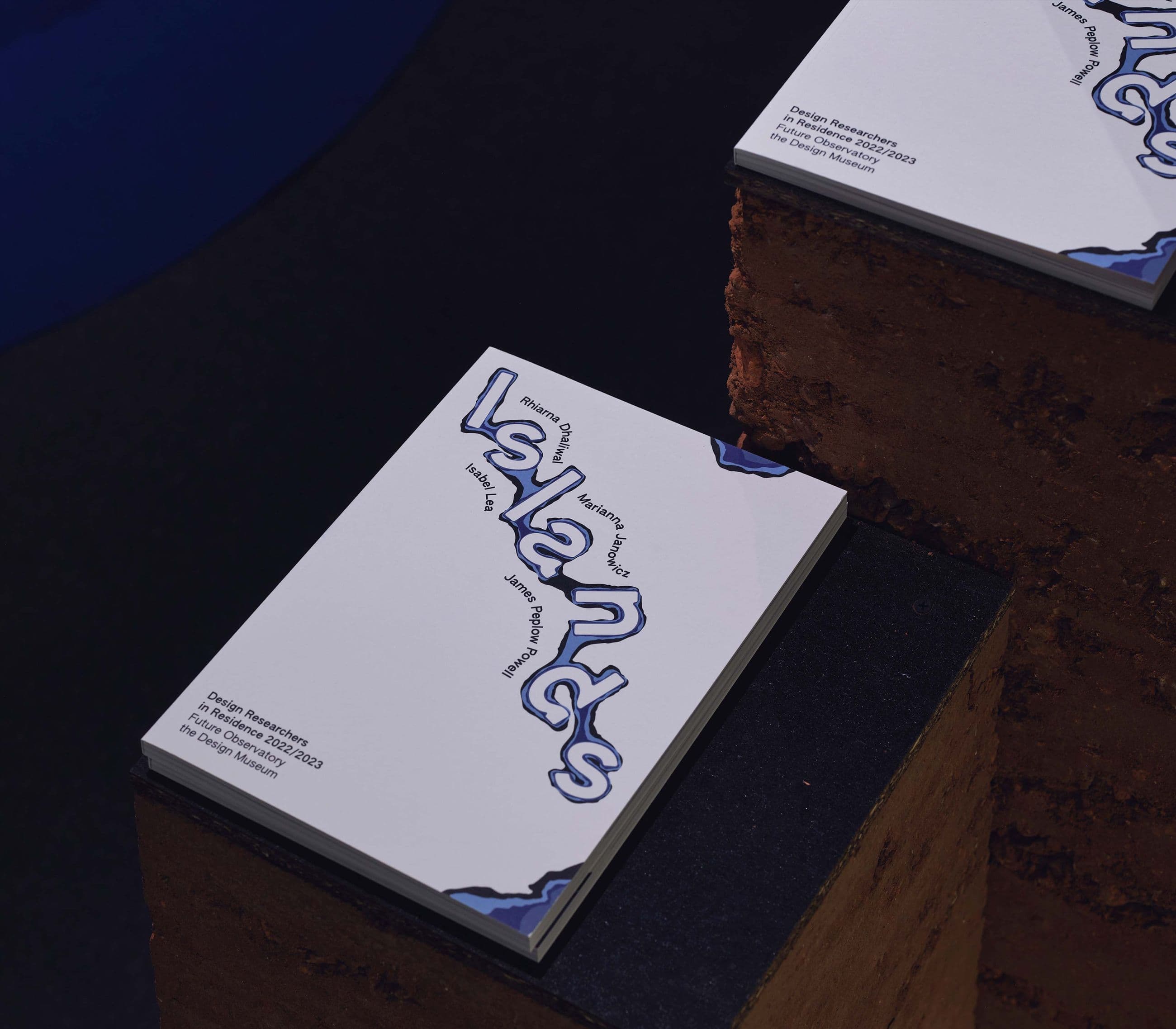
The Designer Series with Plan B Studio
By Ikram Hirse
An intimate conversation with Plan B Studio on slowness, belonging, and design as a disciplined practice of care, intention, and attention.
Contributors:
Bakhtawer Haider (Baki)

On repetition, belonging, and the quiet discipline of making
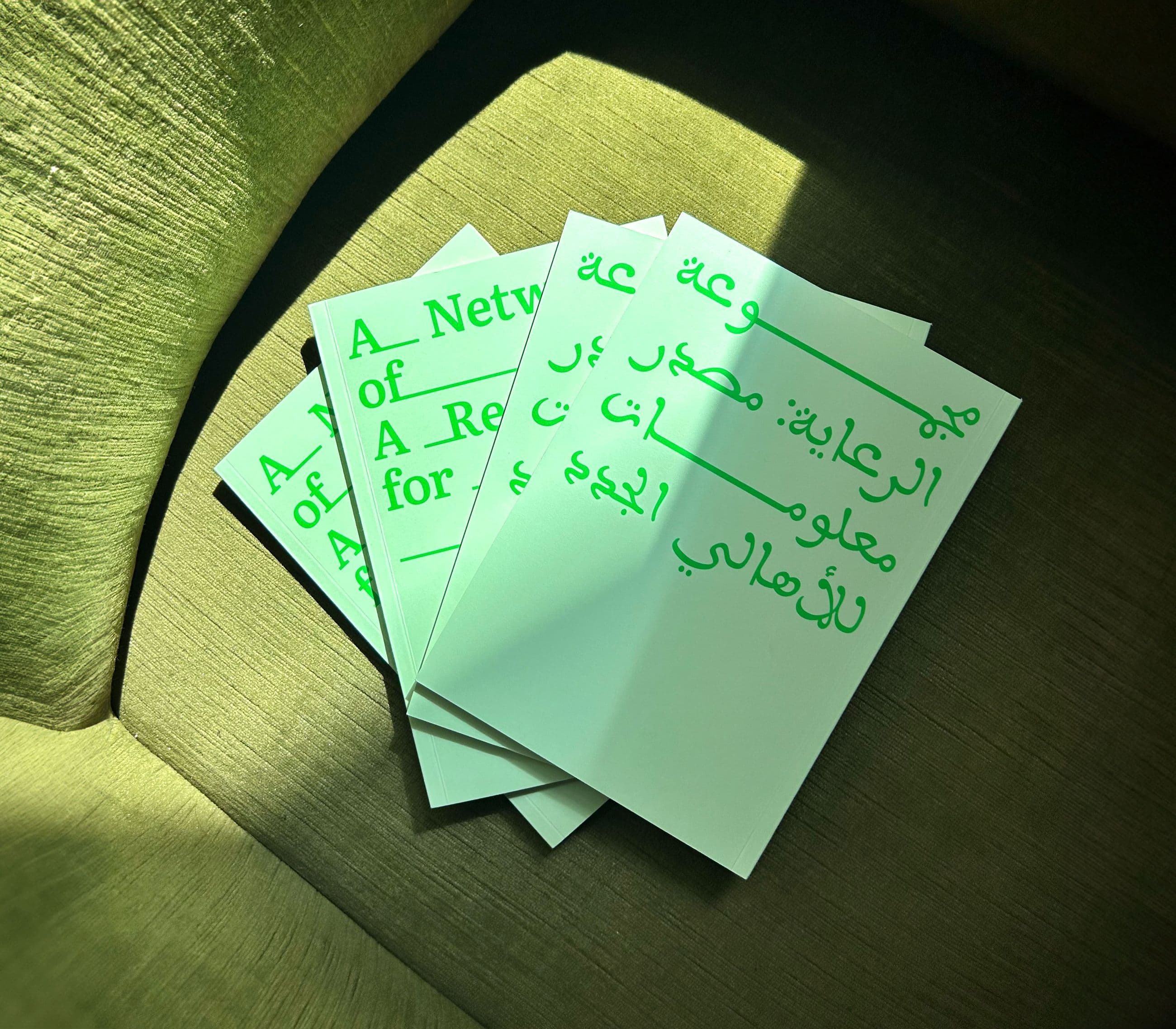
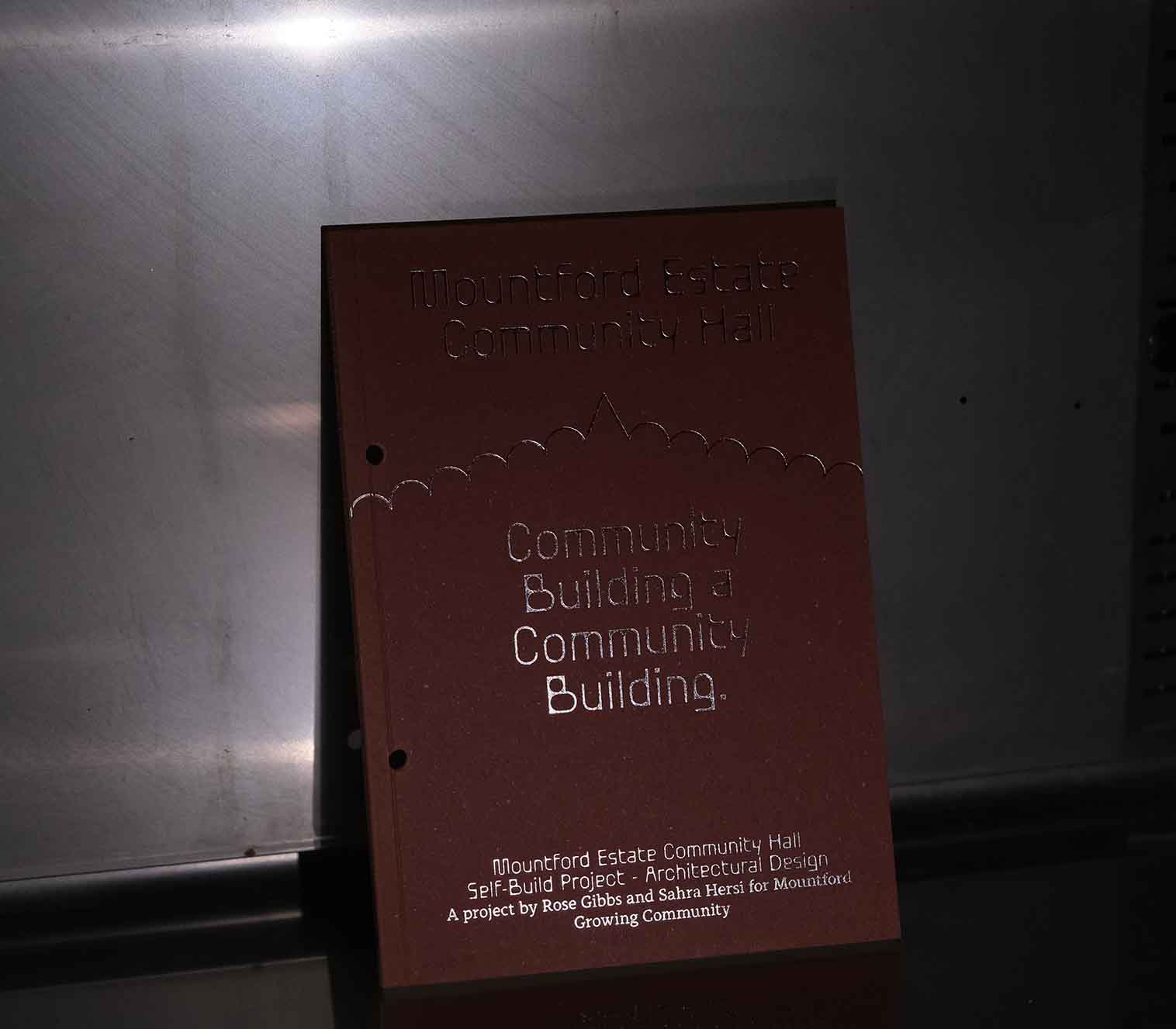
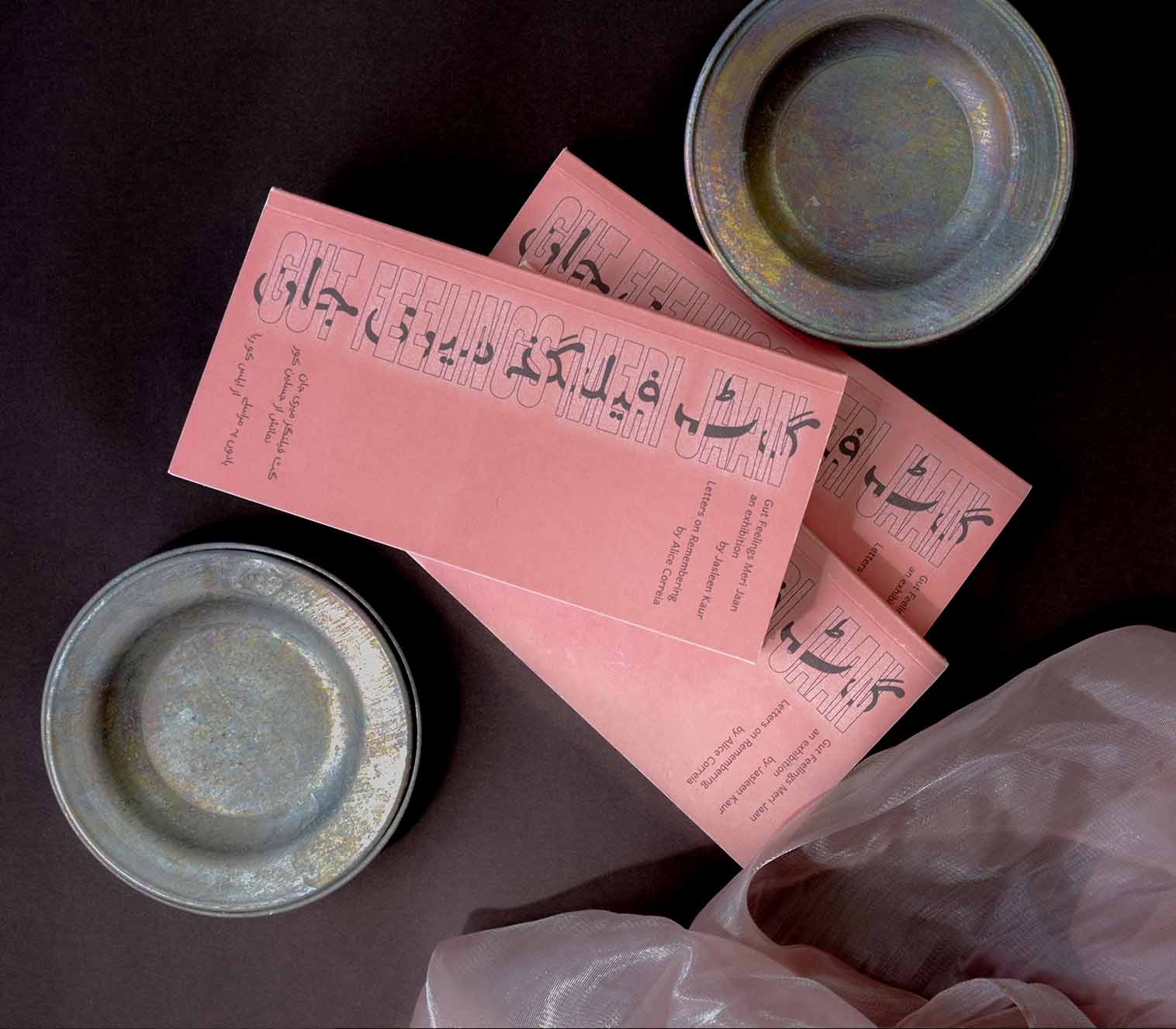
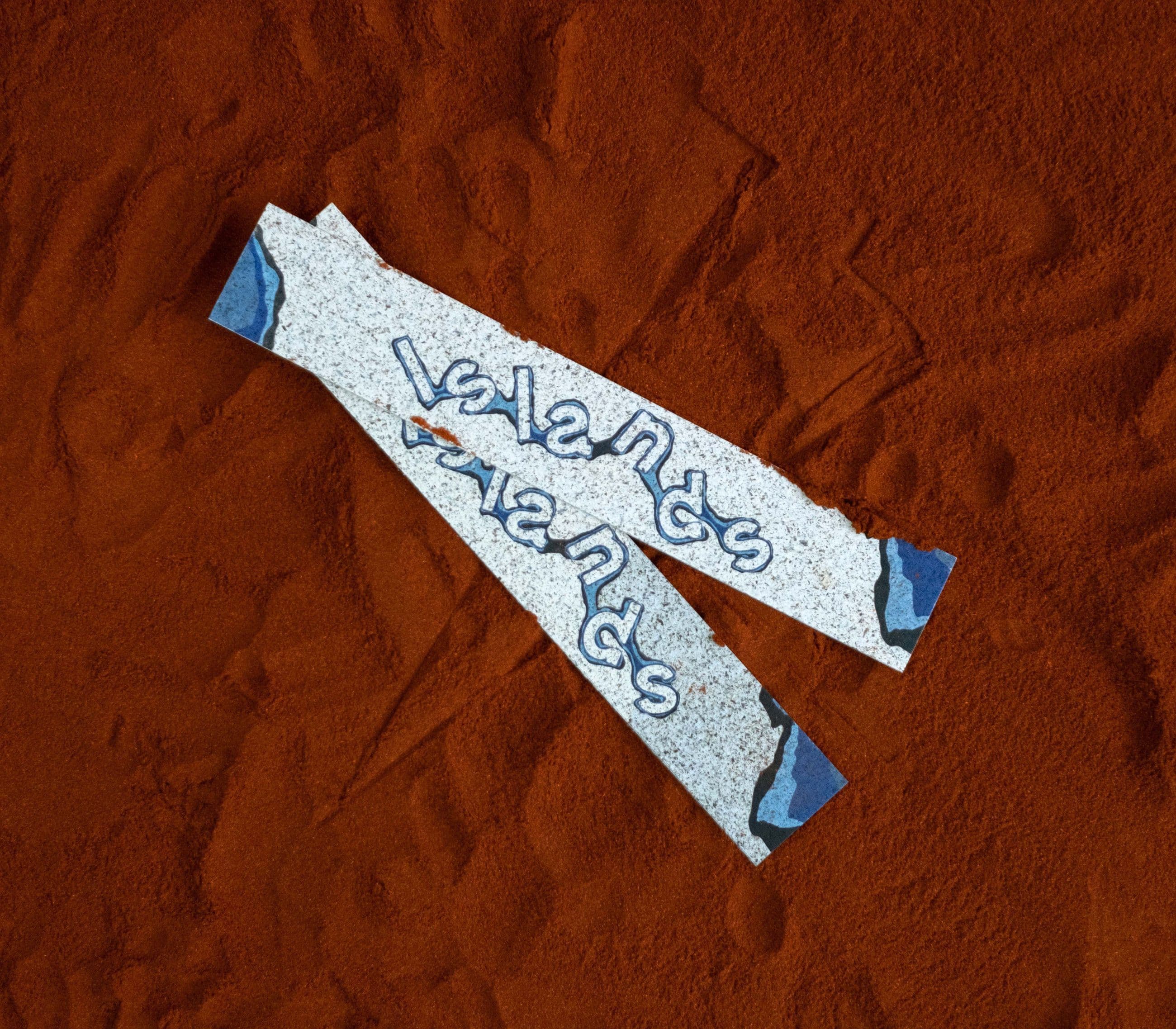
Plan B Studio is not easily categorised and that is perhaps its strength. Based in London, the studio works across visual identity, publishing, exhibition design, and cultural strategy, collaborating with institutions, artists, and communities to shape work that is deliberate, grounded, and intellectually rigorous. Their projects do not shout for attention instead, they hold their position confident enough to remain still.
At the heart of the studio is Bakhtawer Haider (Baki) and Betty Brunfaut, co-founders of Plan B Studio.
Bakhtawer is a creative director, graphic designer, publisher, educator, and co-founder of both Plan B Studio and Sold Out Publishing. Her practice spans design, pedagogy, and research, engaging deeply with decolonial thinking and the expansion of visual cultures within branding and cultural curation. She is also co-author of Not a Reference Yet, a book that interrogates how knowledge is cited, legitimised, and circulated within academia and visual communication.
Yet for Baki, design is not simply an intellectual pursuit. It is a discipline one shaped by repetition, attention, and an internal compass that has little interest in spectacle.
Beginnings: on written form and quiet certainty
Baki traces her relationship with design back not to software or studios, but to written form. As a child, she was drawn to letters, copying them, rewriting pages, returning to the same shapes again and again. There is an ease with repetition here, one that later finds resonance in Islamic calligraphy: a practice where meaning emerges not through novelty, but through return.
Although she initially considered architecture, it was a perceptive teacher who redirected her toward graphic design recognising where her attention, precision, and sensibility might be best held. Looking back, Baki describes this not as a compromise, but as clarity. “There was a deep sense that this is what I needed to do.”
By the age of eight, she had articulated three ambitions: to start a business, to write a book, and to teach. Years later, each has come to pass not as milestones to announce, but as markers of alignment.
Moving between worlds
Born to Pakistani parents in Germany, Baki later moved to Bahrain, and eventually to London. With each shift came the experience of leaving spaces behind not only physical places, but the feelings and behaviours that shaped them.
Her earliest mosque in Germany was underfunded and utilitarian: a cold, warehouse-like space with blue carpets and little ornament. And yet, it held routine, friendship, and rhythm. Later, in Bahrain, mosques were radically different, generous in scale, rich in atmosphere, with women’s spaces that felt intentional and beautiful. The adhan was no longer distant or abstract, but woven into daily life.
What struck her most was not architecture alone, but how human codes changed. In mosques, proximity shifted. Strangers stood shoulder to shoulder. Space softened hierarchy. There was a generosity of presence that felt rare elsewhere.
That sense of congregation of being held within a collective rhythm remains a quiet longing in her work.
Belonging without assimilation
Growing up as the only brown girl in her school in Germany, Baki learned early that acceptance is not guaranteed, no matter how well one performs. Over time, this understanding evolved. What once felt like exclusion became perspective.
Rather than striving to fit in, she learned to celebrate difference, to move toward discomfort, to trust it as a site of internal dialogue and critical thinking. Faith played a role here too: offering a framework where questioning, reflection, and self-scrutiny are not threats, but responsibilities.
Belonging, she suggests, is not about sameness. It is about being met without erasure.
Designing atmospheres, not symbols
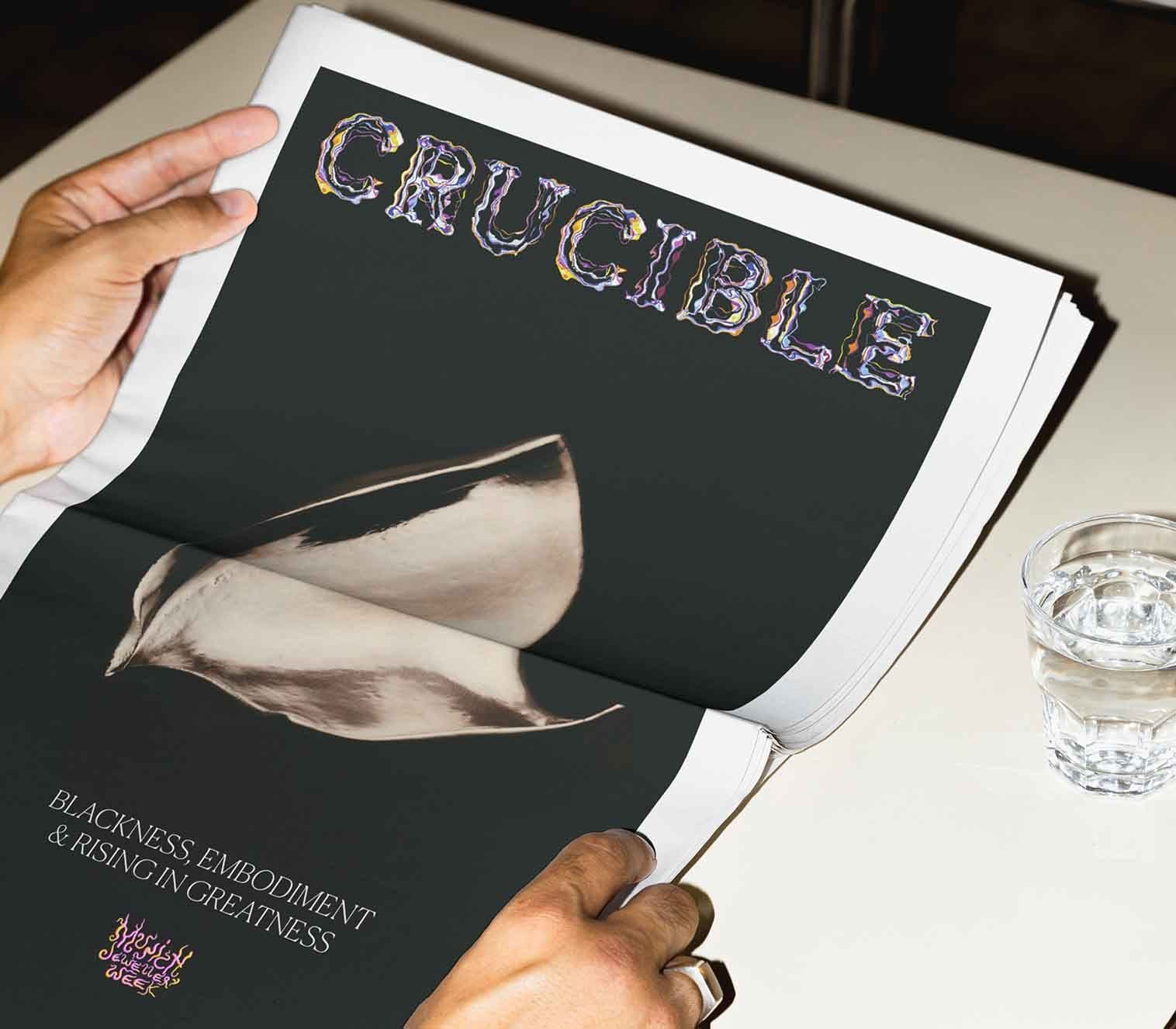
Plan B Studio’s work resists easy symbolism. Whether designing wayfinding systems, exhibitions, or visual identities, the studio begins with how people move, feel, and orient themselves within space. At Science Gallery London In collaboration with Edit Collective and Hot Mess Studio, Plan B reimagined wayfinding not as signage, but as movement using ceramic objects to signal passage and transition. At RIBA in collaboration with Msoma Architects, they worked with materiality and height, using jute fabric and spatial intimacy to soften institutional authority and question inherited hierarchies.
These projects are not aesthetic exercises. They are inquiries into how design can reframe power, invite closeness, and offer alternative ways of navigating cultural space.
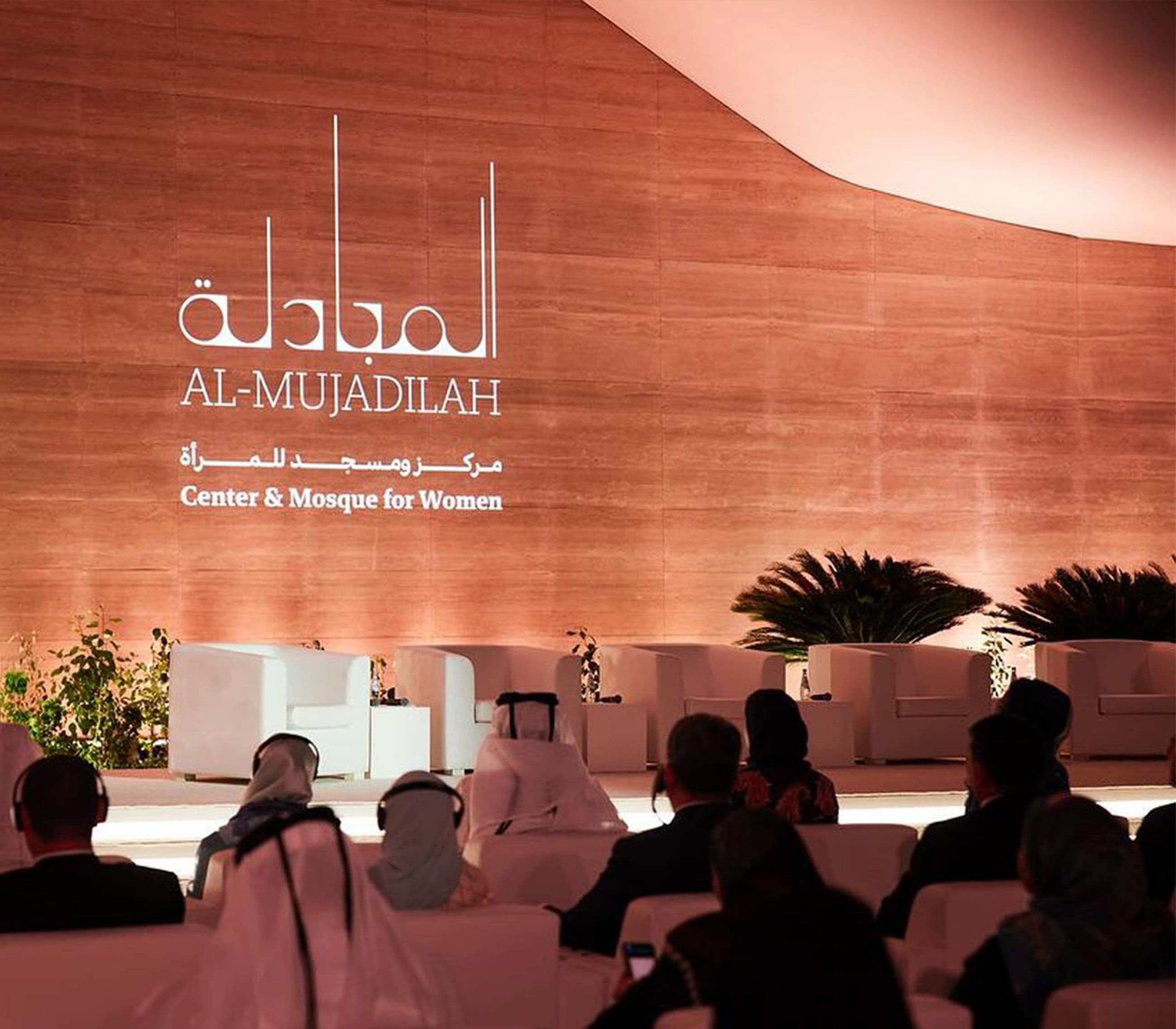
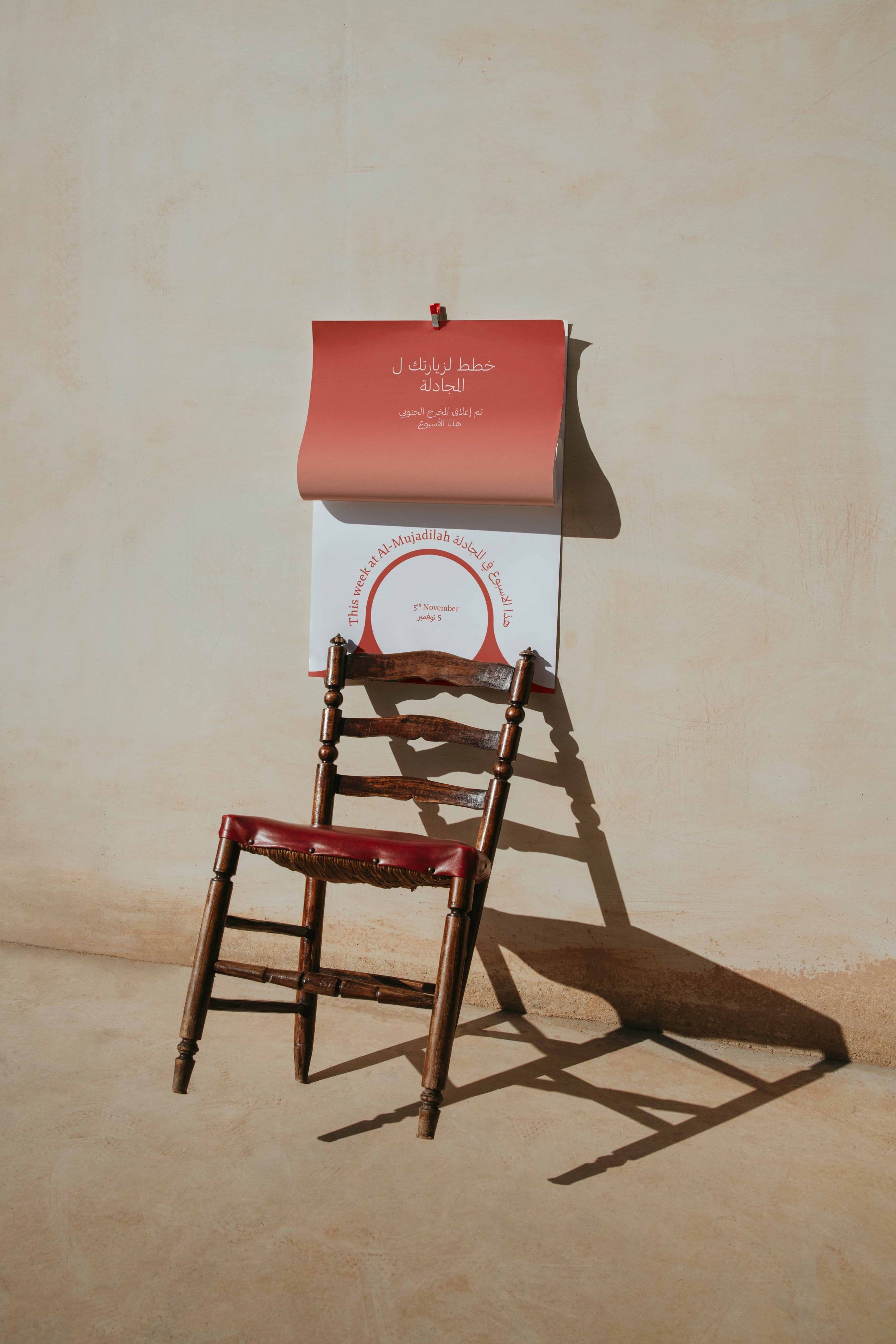
Al-Mujadilah: method, not exception
When Plan B was invited to work on Al-Mujadilah, a women-led mosque, the project was approached with the same care and restraint that defines the studio’s wider practice.
The visual system draws from Qur’anic structure and regional material culture:
- a grid derived from the 22 36 verses of Surah Al-Mujadilah
- colour references rooted in al-azraq (blue)
- pigments inspired by shellfish dyes used by local fishers in Bahrain and Qatar
There is no spectacle here. No attempt to translate faith for external validation. Instead, the work offers clarity, dignity, and confidence particularly for women so often designed around rather than with.
For Baki, Al-Mujadilah is not a “faith project” set apart from the rest of the studio’s work. It is a continuation of the same principles: intention, repetition, and respect for context.
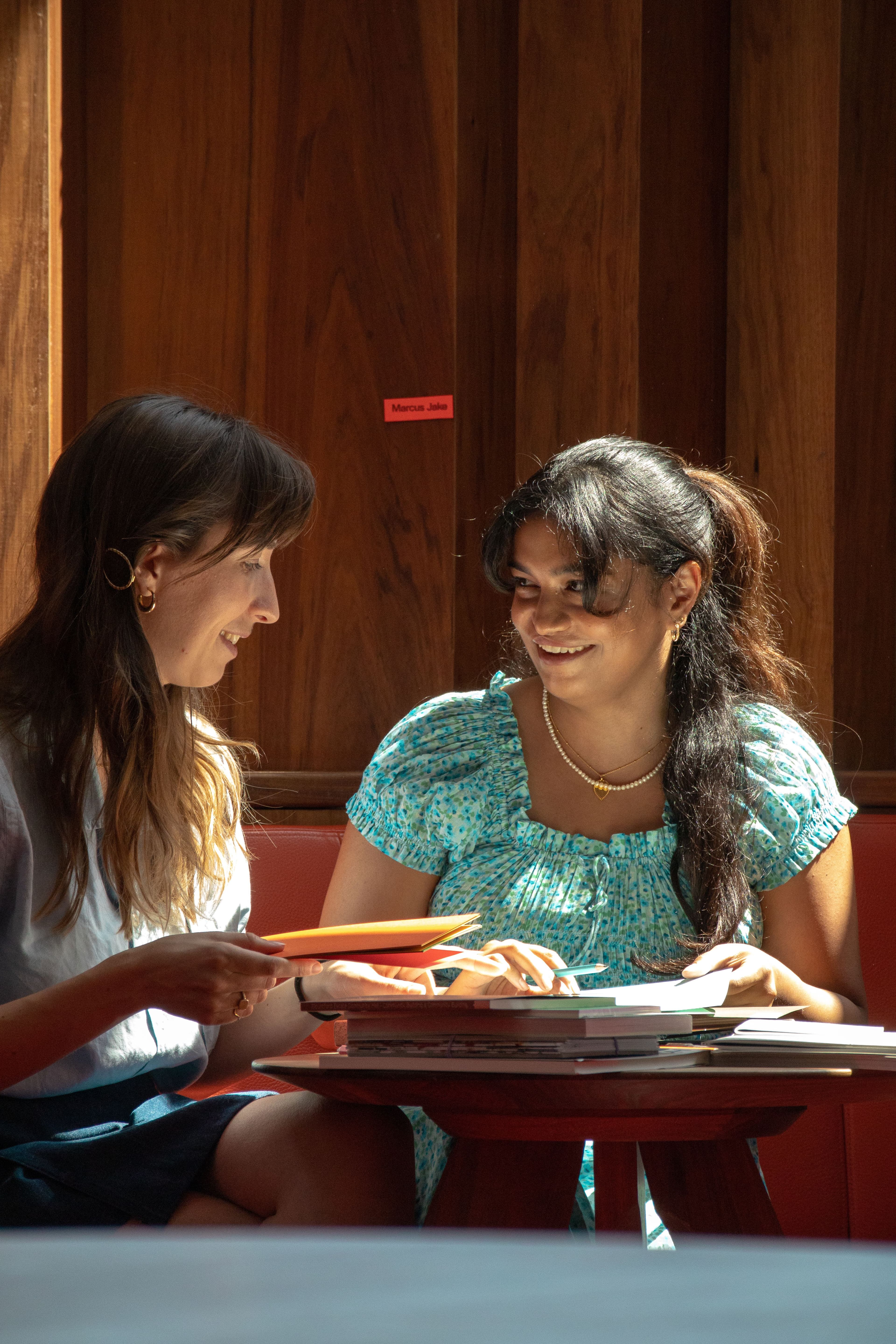
Studio rhythms: slowness as care
Baki speaks openly about slowness; dim lighting, quiet rooms, candlelight, reduced noise. These are not aesthetic preferences so much as conditions for attention.
There are no rigid rituals, but there is grounding: observing closely, building a mental reference library, trusting intuition, and working with what is available rather than chasing perfection. Imperfection, she suggests, is not failure, it is evidence of presence.
Making with care, in this sense, begins with the self: knowing one’s limits, maintaining humility, and approaching each task with respect.
Principles that hold
Three values surface repeatedly in Baki’s work and life: presence, humility, confidence.
The tension between the latter two is deliberate. Confidence allows one to ask questions, to speak clearly, to hold a position. Humility allows one to listen, to be wrong, to remain teachable. Together, they form a practice of integrity, especially when navigating institutional frameworks that are not always welcoming. Plan B has learned not to force belonging, some spaces are not ready and others must be built.
“Not being accepted by the mainstream is not a bad thing,” she reflects. “It can be an opening.”
On imagination and the future of muslim space
For Baki, imagination is not optional, to dream is to resist stagnation. She believes Muslim spaces must allow for this again: not through grand gestures, but through environments that feel warm, grounded, and human. Spaces that invite contemplation as much as gathering and spaces that trust people with dignity.
A Mimbar360 Reflection
Plan B Studio reminds us that some of the most rigorous design practices are guided by things we do not always name. That discipline, and repetition need not be translated to be valid. And that design, at its best, is not about visibility but orientation. In a culture of acceleration and excess, this work insists on something quieter: attention, restraint, and the courage to remain rooted perhaps that is its provocation.
Images courtesy of Plan B Studio
Contributors
Bakhtawer Haider (Baki)
Co-Founder, Plan B Studio & Sold Out Publishing
About the Author
Ikram Hirse
Founder of Mimbar360
Ikram Hirse is a social entrepreneurship based in the UK.
Gallery